

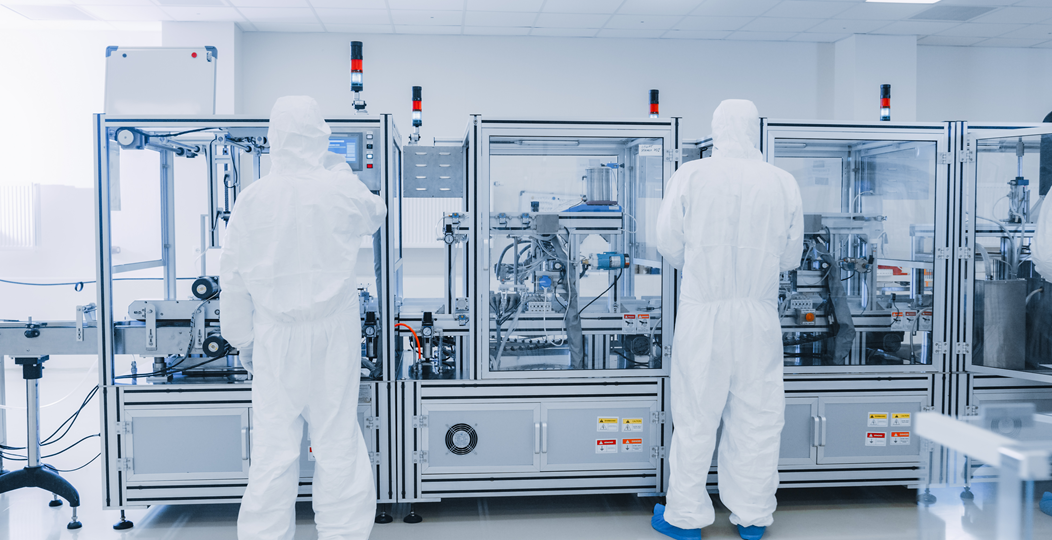
This case study explores how ion-assisted deposition (IAD) technology extends the lifespan of optics for 3d printing, specifically debris shields, in high-power laser systems used for metal additive manufacturing:
The challenge: contamination from metallic vapours in 3d printing, or additive manufacturing, systems was causing rapid degradation of optical chamber windows.
The solution: Implementing ion-assisted deposition (IAD) technology created more resilient optical coatings, paired with a strict ‘wipe-and-discard’ cleaning protocol.
The outcome: Extended component lifespan led to significant cost savings, reduced downtime, and more consistent laser energy transmission.
Laser additive manufacturing has evolved over several decades and is today capable of printing products to the highest specifications in terms of both form and material resilience. How then can optimising the specification and handling of the optical components such as both optical chamber windows and debris shields make a difference?
As technology and business practices advance, the ethos of continuous improvement demands increased efficiencies in terms of improved quality, lower cost and faster processing from laser additive manufacturing, also known as 3d printing, systems. In this context optimising the precision optical component technology can be a game changer and has the potential to create significant competitive advantage. Simple improvements in the fabrication of the optics and then on-site handling can make big differences.
The Manufacturing Challenge
Our customer uses additive manufacturing equipment to fabricate products for the aerospace industry and confronted a persistent challenge that was systematically undermining their manufacturing precision. The area of weakness in their system was the processing chamber windows – important optical components positioned directly above the build platform with the purpose of protecting the laser and other parts of the system but allowing for laser beam transmission.
These precision windows operate in an extremely demanding environment. During each manufacturing cycle, microscopic amounts of vapourised alloy particulates combine to create a thin, absorptive film on the window surface
The resulting contamination layer progressively disrupts laser transmission, preventing lasing consistency and introducing significant variability into the manufacturing process.
The performance is limited by:
- Constant material contamination.
- Reduced laser energy transmission.
- Potential thermal degradation of optical surfaces.
Existing Approach and its Limitations
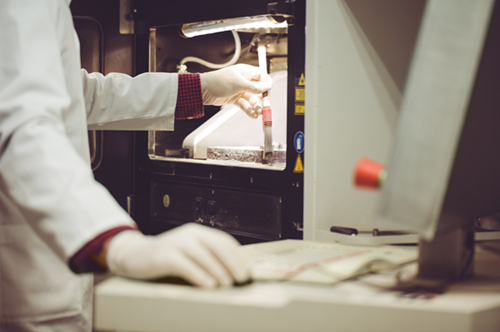
When we visited our customer’s facility, we found that machine operators were using inappropriate cleaning methods to remove the contamination from the optical chamber windows. Whilst suitable for use in other processes they were less than ideal for working with optical components. The fact is that these methods inadvertently caused more harm than any benefit that might have been gained from their use. Typical practices involved the use of off-the-shelf dry cloths and brushes, applied with inconsistent techniques. These risked surface scratching and reintroducing contamination.
The cleaning process became a cycle of degradation. Each cleaning attempt effectively caused further damage to the windows, reducing product lifespan and compromising manufacturing precision. Furthermore, the variability in operator technique meant that no two cleaning processes were identical, thus introducing an unfortunate element of uncontrolled variability to the operation.
Our Comprehensive Solution
Our intervention addressed both the cleaning methodology and the optical component design through a holistic engineering approach.
Optical component enhancement
Additive manufacturing components at scale can be a dirty business with optics under stress from contamination damage and thermal stress. Unlike prototyping laboratories, the continual repetition of the process with a high output of parts printed means a considerable amount of contaminant produced. The challenge was to provide optical components capable of withstanding the harsh environment of the inside of a laser additive manufacturing system, providing greater transmissivity over longer periods of time between being cleaned and repeated manual cleaning. Working directly with our customer’s R&D engineers, we developed a more resilient optical coating with higher laser damage threshold (LIDT) based on ion-assisted deposition (IAD) technology. This provided more robust chamber windows and debris shields. The result was:
- Harder coatings for the internal window surfaces.
- Improved durability against cleaning processes.
- Enhanced resistance to thermal and contamination stress.
Cleaning protocol innovation
We recommended a specialist cleaning method based on our optical handling experience over decades. The new approach used disposable optical-grade cleaning wipes with an alcohol-based solution, implemented as a strict wipe-and-discard methodology. This eliminated the risk of re-contamination and significantly reduced surface damage potential. The result was:
- A cleaning process which cleaned the optics rather than making them more dirty.
- Contaminant was removed with minimal damage (scratching) of the optics.
- The optical chamber windows had a longer lifetime before needing to be replaced.
Measurable Outcomes
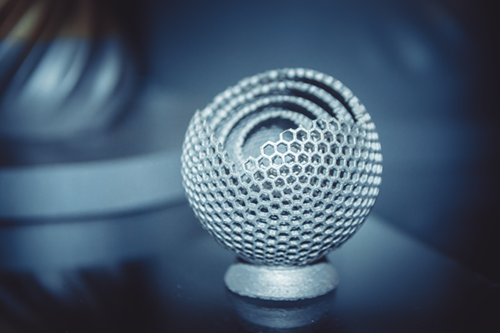
The collaborative solution delivered significant improvements in the system performance. Extended optical component lifetime translated directly into more consistency in laser energy transmission and a reduction in manufacturing process variability.
Critically, our customer was able to achieve significant cost savings by:
- Reducing component replacement frequency.
- Lowering overall operational costs.
- Purchasing directly from MPO.
The collaborative approach also opened possibilities for recycling and reworking of the optics, thus introducing both economic and environmental benefits.
MPO’s Distinctive Approach
Our approach moves beyond basic component supply to focus on solving specific manufacturing constraints. While the underlying science remains constant, the practical application of lasers in industry, medicine, and research requires a specialised approach to the supply of optical components.
We combine technical expertise with a commitment to practical problem-solving. By delivering value-driven engineering, we ensure that manufacturers achieve the highest levels of precision and efficiency, making MPO the obvious choice for optics for demanding applications.
Contact us to discuss how our optical windows can improve your 3D printing and additive manufacturing processes.
FAQs
What causes optical degradation in additive manufacturing? During the laser powder bed fusion process, the interaction between the laser and the metal powder creates particulate spatter and metallic vapours. These contaminants settle on the chamber windows, forming an absorptive film that reduces laser transmission and leads to inconsistent build quality.
How does ion-assisted deposition (IAD) improve debris shield performance? The IAD process produces a significantly denser and more robust thin-film coating than standard evaporation methods. This creates a non-porous surface that is more resistant to thermal shock and environmental contamination, ensuring the optic maintains its integrity over longer production cycles.
Why is the cleaning methodology significant for optical longevity? Using inappropriate materials such as dry cloths or brushes can cause surface scratching and reintroduce contaminants. Adopting a strict ‘wipe-and-discard’ protocol with optical-grade wipes and an alcohol-based solution is essential to prevent cumulative damage and extend the lifetime of the windows.
What are the benefits of using fused silica substrates in 3d printing? High-grade fused silica offers excellent thermal stability and minimal absorption at common laser wavelengths. This is significant for reducing thermal lensing – a phenomenon where the optic heats up and shifts the laser focal point – which can compromise the dimensional accuracy of printed parts.
Can degraded chamber windows be recycled or reworked? In many instances, the high-quality substrates used by MPO can be reworked or recoated. This approach offers both economic and environmental benefits, making it the obvious choice for manufacturers looking to reduce their total cost of ownership.
